Being enrolled in preventive checkups is one of the most important things you can do to stay healthy. Screening tests are medical tests that identify cancer in its earliest stages, when the disease is easier to treat. Screenings may depend on age, and the most advisable ones generally require annual screening due to the fear of the disease beginning to manifest. Health screenings are necessary for people of all ages; the recommended tests vary according to individual needs. Talking with your Sanitas primary care physician about your medical history, lifestyle, and any changes will allow you to determine which health checkup is best for you. Having medical tests once a year is essential. In addition to medical diagnoses, they are useful for detecting diseases that only manifest as symptoms in advanced stages, where clinical care is more expensive in advance and for which a comprehensive solution is more difficult to achieve. That's why it's so important to do these checkup...
This quote represents my fascination with the daily routines we have everything about how we craft ideas, see the world, face challenges, celebrate achievements, have talents or face fears and vulnerabilities can be noticed in our everyday activities. After 365 interviews with artists, writers and entrepreneurs about their habits, I had not established a routine of my own. I became very nervous. Doing all this research on routines, I began to think I wasn't really qualified.
I had no regular bedtime or wake-up time. In the evenings, I'd usually slump on the couch, race against the timer for a due date, go out with a friend for meals and usually finish off with a bit much wine. I didn't work out very regularly. We were getting taken away all the time. I used to spend too much time scrolling which meant going to sleep wearing a lot of makeup. Not everything was disorganized. Despite being a good planner, without a regular schedule I felt I would end up missing some good things because I had to complete what I had pushed earlier.
Limited time commitment releases the pressure
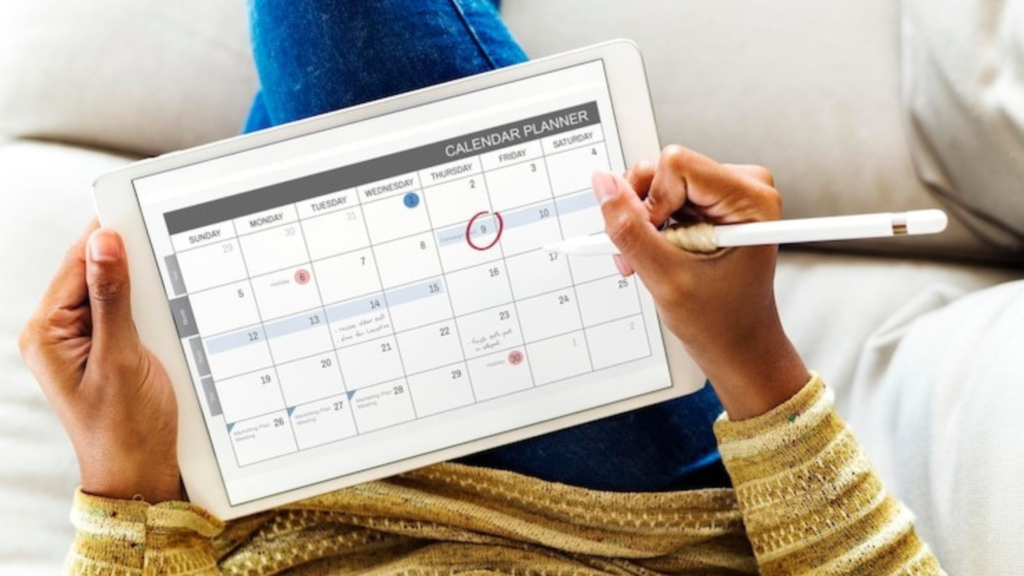
It's interesting to wonder if bringing more routine and order to my days would add value to my life and make me happier and more successful. After all, I'm given the same 24 hours as Beyoncé – can I make use of them as well After using history books, the internet and Extraordinary Routines interviews, I quickly identified what habits and routines people like to keep or want to change. More exercise, an early wake-up, more reading, cleaning your teeth, eating breakfast, saving, getting enough sleep and scrolling on social media less.
According to Gretchen Rubin in Better Than Before: Mastering the Habits of our Everyday Lives, many people's habits fall into the Essential Seven: Try to make your meals and beverages healthier. Try to exercise regularly so you get the most of it. Use your resources carefully to save, spend and earn. Rest your mind and have fun on the last step of your learning. Reach your goals by stopping procrastination. Simplify, clear up, clean and arrange the area well. Learn to tune into your relationships.
Great way to experiment with what works and what doesn’t
I started to recognize as I researched that these key habits complemented each other like pieces in a puzzle. Perhaps the best way to eat breakfast is to get up early. If you want to wake up earlier, it helps to sleep earlier as well and you should put away your phone to read instead. Thus, just like a normal person, my brain started to wonder why not pick up the most popular habits for a whole month and become a routine master Habit forms who say you should focus on one thing at a time as you grow. Every day I chose to remove one habit or start a new one. On the first day, I'll wake up early.
Day 2 is all about getting up early for a workout. I would set my alarm early for Day 3, work out and make sure my phone was powered off by 10pm so I didn't spend two more hours browsing the Internet. After that, I did this for a full month, adding a new habit each day until I had a whole month's worth. I felt completely exhausted near the end of the experiment. Initially, I set my alarm to wake up at 6am; right after waking up I drank plenty of water and made a green tea, then wrote something creative, wrote my intention for the day, worked on a project, ran for 15 minutes.
Consistency is the key to developing new habits
Stretched and meditated, pulled coconut oil for 20 minutes while showering and getting dressed and finally listened to a podcast traveling to work. Still, it took a lot of concentration to ignore the snooze button at 6am, but a fresh cup of coffee did me some good. A lot of what I did in the morning involved writing, reading and exercise. It was not an easy thing to pull out of bed when the alarm rang – and some days I snoozed it several times but I managed to have less tiredness throughout the day.
Since I added chocolate to my evening routine, cutting out sugar was hard to do. By the end of my third day, not eating stodgy carbohydrates and sugars made me feel less heavy and helped me see exactly what I was eating. Because I spent most of my workday writing critically about art, I didn't let my mind wander in free-flow writing when I had the time. I decided on several writing prompts and daily I would enjoy my coffee or tea, then work for ten minutes at writing. According to studies, juggling helps us think better and be more attentive.
Conclusion
Every day after learning from a friend for a short time, I practiced juggling for at least 15 minutes. Even with repetition, I couldn't fully master what I tried to learn during the experiment. If you have to stick to one meal every day, it can save your time. During the experiment, I ate scrambled eggs with spinach for breakfast, a salad with spinach, cherry tomatoes, pumpkin seeds and cottage cheese for lunch and pre-prepared meatloaf and vegetables or vegetable lasagne for dinner. Have fruit and nuts for quick, healthy bites during the day.
Most days, I would exercise in some way going for a run, doing a yoga or weights video, taking a pilates I made sure I didn’t spend too much on groceries and everyday items by creating a daily budget and noting my purchases on my phone. After listening to This American Life, On Being, The Good Life, Tim Ferris Show and Tara Brach each day, I decided to try expanding and listening to a different podcast every day. While traveling to work, I started to listen to The Moth, Radio National, Grammar Girl, How to be Amazing, Radio Lab and Ted Radio Hour.
Comments
Post a Comment